Part 2 – AirCon Units, Penguins and Boulders
At the end of Part 1 we had exited the gates of the Christchurch campervan depot and were heading out on the first leg of our journey. We were heading to Timaru, a town on the East coast, where we hoped to get a sighting of the world’s smallest penguin, and thence to Dunedin.
Before we go much further though, I think a summary of New Zealand geography and environment is in order. Where we are living at the time of writing is a city called Napier. I hesitate to call it a city as its population is not much bigger than the rural town of Kidderminster in England where we lived prior to coming to New Zealand. Napier is on the North Island of New Zealand in an area called Hawkes Bay. It is at 39 degrees South and is sheltered from the North and the West by mountains. To the East is the Pacific Ocean, next stop of any significance is Chile in South America. Hawkes Bay is a popular wine growing region as its climate is generally sunny, dry and warm and even in winter doesn’t get that cold.
Where we were driving our campervan was on South Island, on the East coast. Again this is sheltered by mountains in the West and again the only thing East was the Pacific. The difference is we were now 4 degrees further South and right into what are known as the “Roaring Forties”. This is an old maritime term for the band of winds that blow across the globe between the latitudes of 40 South and 50 South. In the Northern Hemisphere, the huge landmass of Asia disrupts the flow of air, but here in the Southern Hemisphere there is virtually nothing to stop the winds from blowing full around the globe, except New Zealand, Tasmania and the Southern tip of South America. Sailors still use these winds to race across the Atlantic, Indian Ocean, the Great Southern Ocean and the Pacific in sailing competitions.
The result of this is that South Island can be windy and wet. Very windy and very wet. Most of the time. Some places we were due to visit get more rain than the Amazon on an annual basis. That is a lot of rain. So we were expecting rain, and when we set out, guess what? Yep. It was raining. And after about an hour we noticed our screens starting to steam up, so we turned up the aircon to clear the screens, but no air appeared to be coming out of the vents, no matter what buttons we pressed, in whatever combination. We stopped and called the depot, but nobody answered, so we called Auckland depot who answered and put us in contact with the technical department. An arrangement was made for us to call in at a garage at Timaru the following morning to assess and hopefully solve the issue, so we wound down the windows and drove on through the rain.
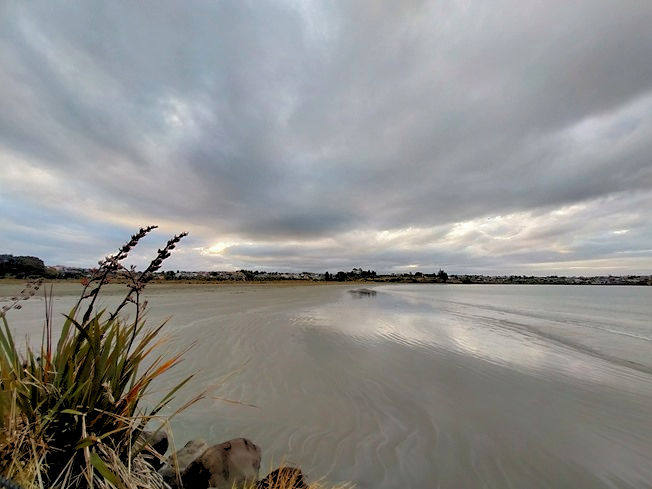
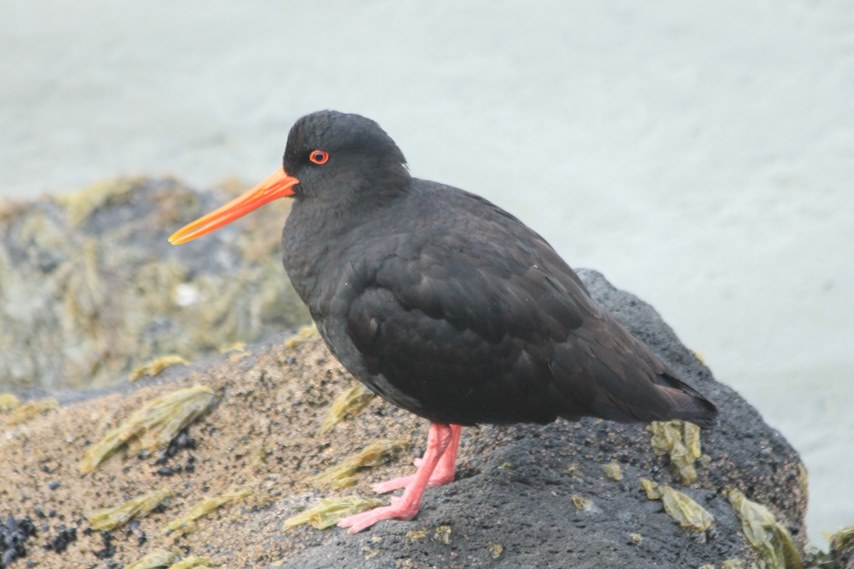
By evening the rain had eased off and we arrived in Timaru in good order and in plenty of time to make a quick meal and to head out to the dock area to hopefully see the Blue Penguins come back from their feeding in the sea and to roost at night all along the rocks close to the beach. We thought we would be the only ones there, and at first that seemed to be the case, but then more and more people turned up and there was soon a whole crowd of people. Luckily we had a great spot. We got colder and colder, though amused ourselves by following the antics of a Variable Oystercatcher who endlessly ran up and down the beach getting food for his chicks, only for them to ignore him.
Sure enough around just after sunset, we spotted a raft of penguins coming into the beach and then making their way up the beach and into the rocks to meet up with their partners who were presumably nursing eggs or chicks. Lighting was difficult, so my pictures are not great, but at least we had seen the smallest penguin species in the world, the Blue Penguin. We were right up close, and no more than 4 or 5 feet from them at times.

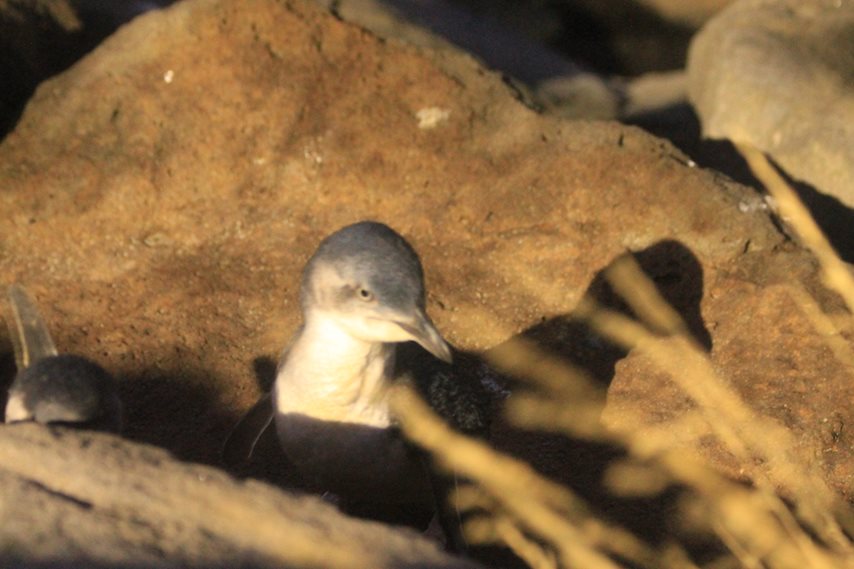
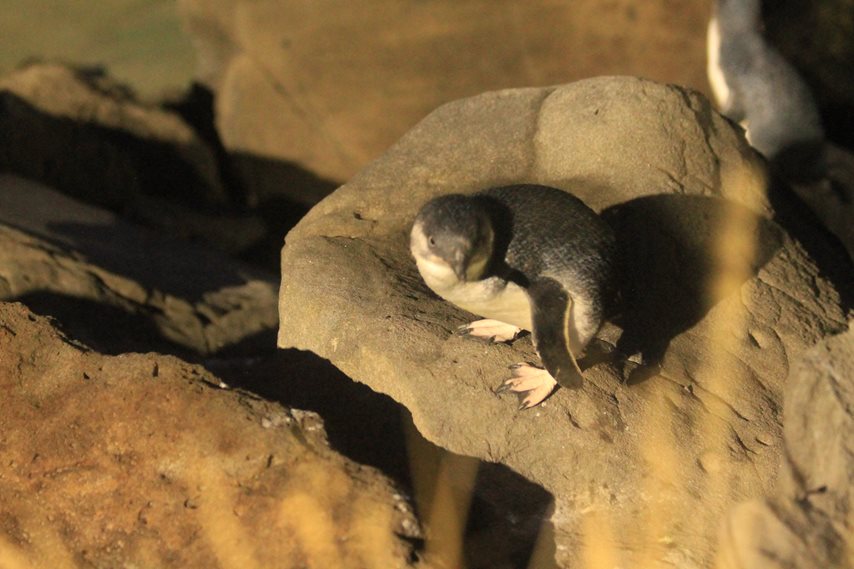
After all the penguins had gone to their nest, we returned to our campervan, absolutely frozen, luckily the van had some gas heating, which we put on, and eventually we went to bed and to our first night’s sleep in our home from home.
Next morning after an early breakfast we headed to the garage we had been booked into, only to find that they didn’t know much about us arriving. They couldn’t fix the issue, but pointed us at another company in Timaru who might be able to help. No, they couldn’t really either, though the man there fiddled with the aircon and it did start working again. But he recommended we get someone to look at it in more detail. We said our thanks, and set off heading for Dunedin, but soon had to call the depot once more to arrange another garage visit, this time in Dunedin, as the aircon had stopped working again.
By now the weather was beginning to clear a little and we passed through the small town of Omaru and headed for a lovely viewpoint over the town. The viewpoint was a good one, unlike many viewpoints or lookouts as they are called in New Zealand.
I have lost count of the number of places along routes which could do with a good viewpoint. So many times we have crested a rise, looked in wonder at the beautiful vista around and before us, only to be unable to stop and look and take photographs, then seeing a “viewpoint” or “lookout” sign, parking up and being able to see nothing but trees … very frustrating.
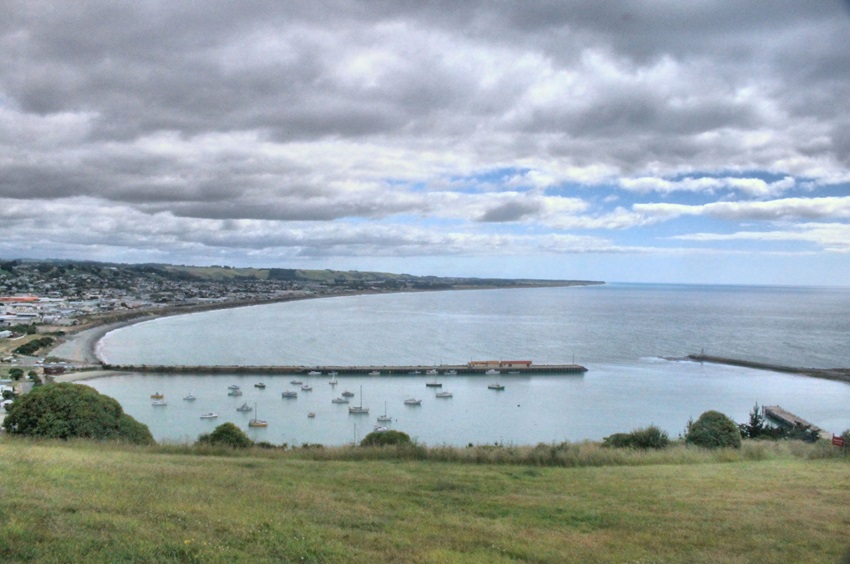
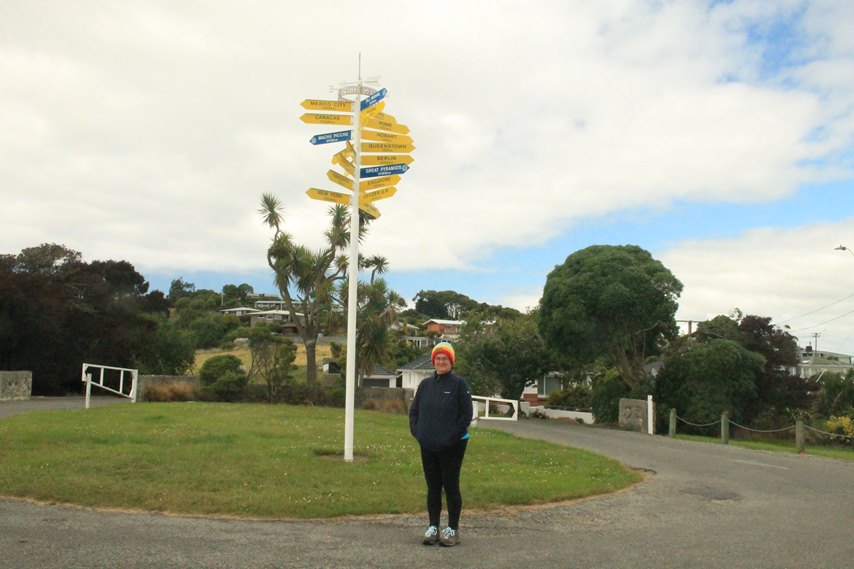
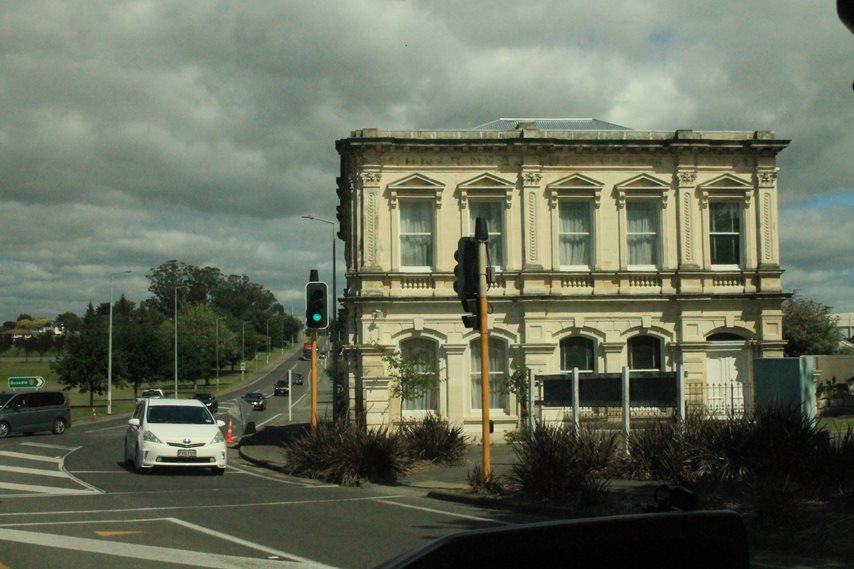
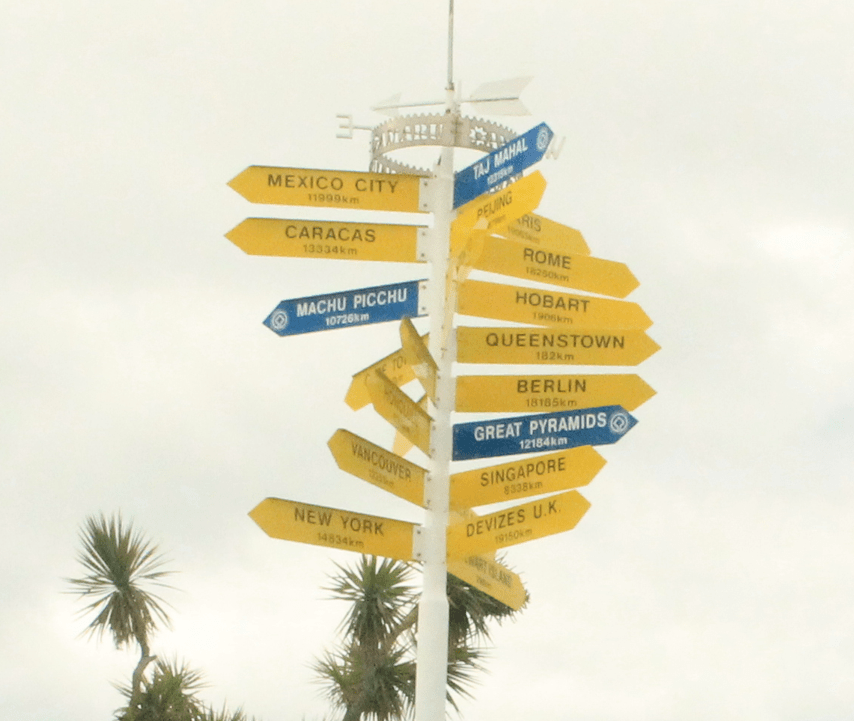
But hey, the viewpoint in Omaru was a good one, complete with old naval cannon and a world signpost with direction and distance to amazing places like Machu Picchu, Taj Mahal, Great Pyramid and Devizes. Wait! What? Devizes? Yes, Devizes. Apparently so I have learned subsequently, Omaru is twinned with Devizes in Wiltshire. Who knew eh? So we stopped and had a cup of tea, before heading out towards Dunedin.
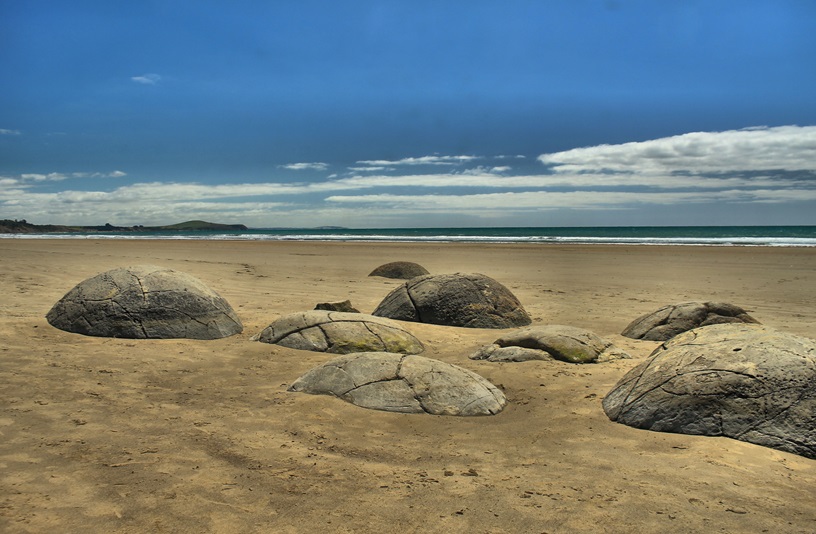
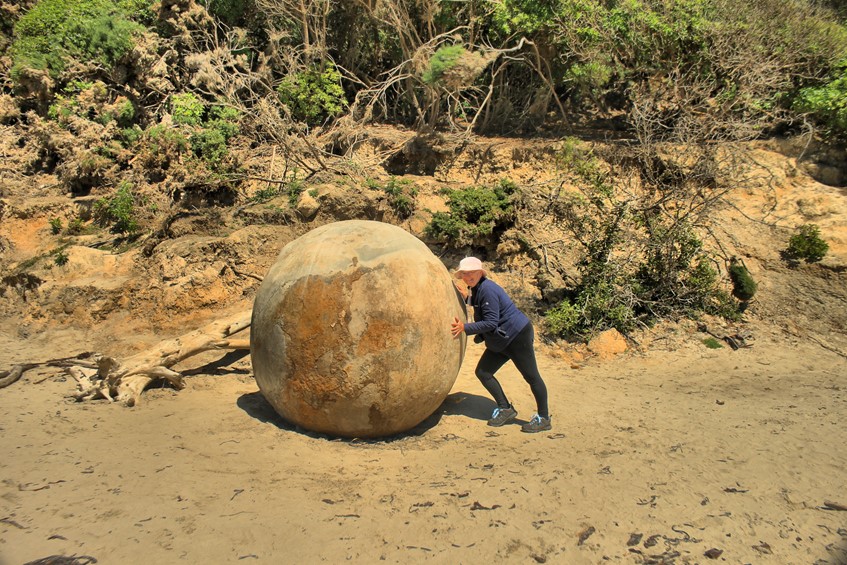
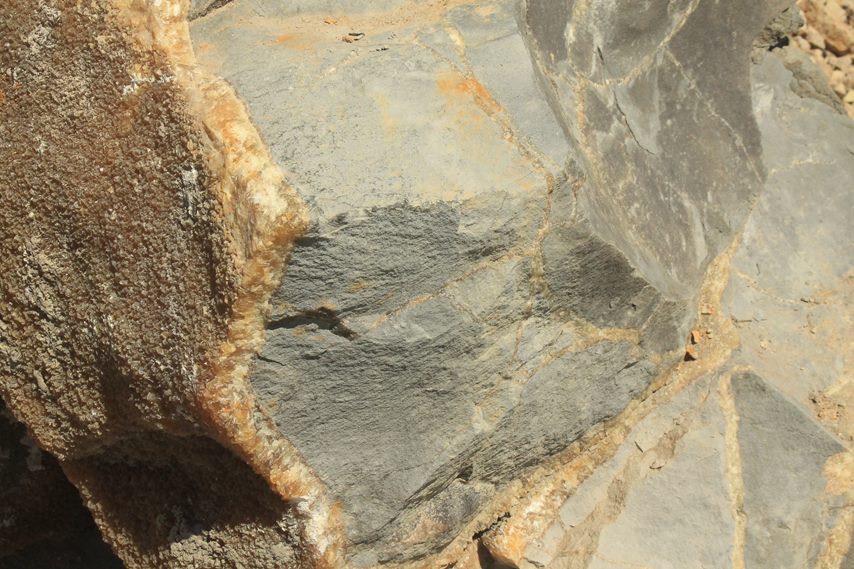
Next stop was a well-known tourist attraction known as the Moeraki Boulders, which if I am honest didn’t sound great, but we went anyhow and we were actually very impressed! They often appear in promotional shots of New Zealand and from what we could gather are in effect very large geodes, which was really interesting. They were fascinating to look at as they appeared to be almost perfectly spherical rocks buried in the sand at different levels, with some further back on the beach which had broken open or stood proud in all their glory.


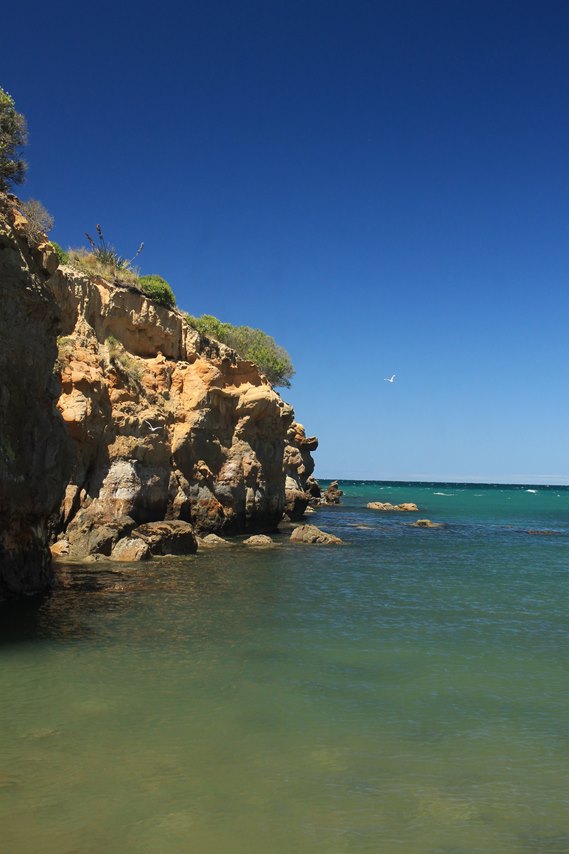
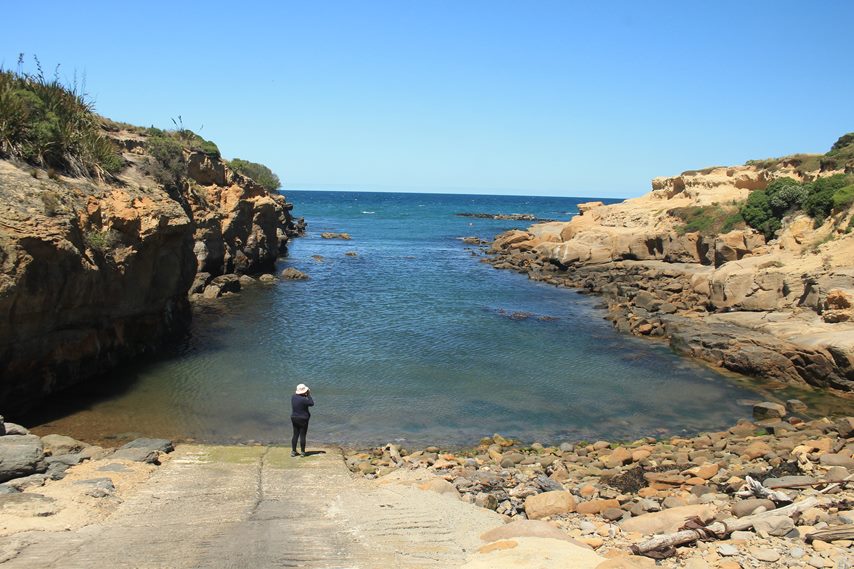
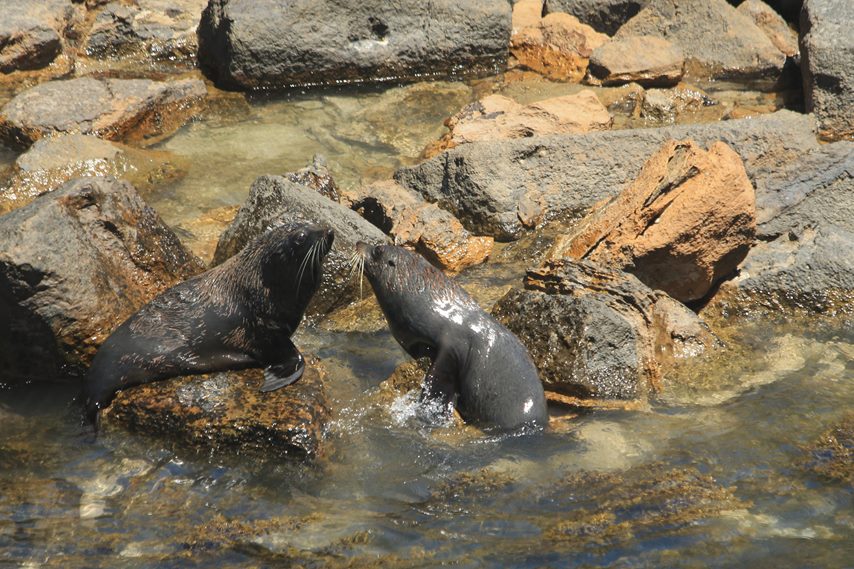
Next stop on from there was meant to be Katiki Lighthouse, but there seemed to be no road or path to it that was open, so instead we drove to the amusingly titled Shag Rock a few miles on. By now the sun was out and the sky was as clear as it had ever been, and after parking up, a short but breezy walk took us to some beautiful rocks and a headland that were populated with a whole bunch of New Zealand fur seals, either basking in the sun or in the case of a couple of young males, spending their whole time scrapping.
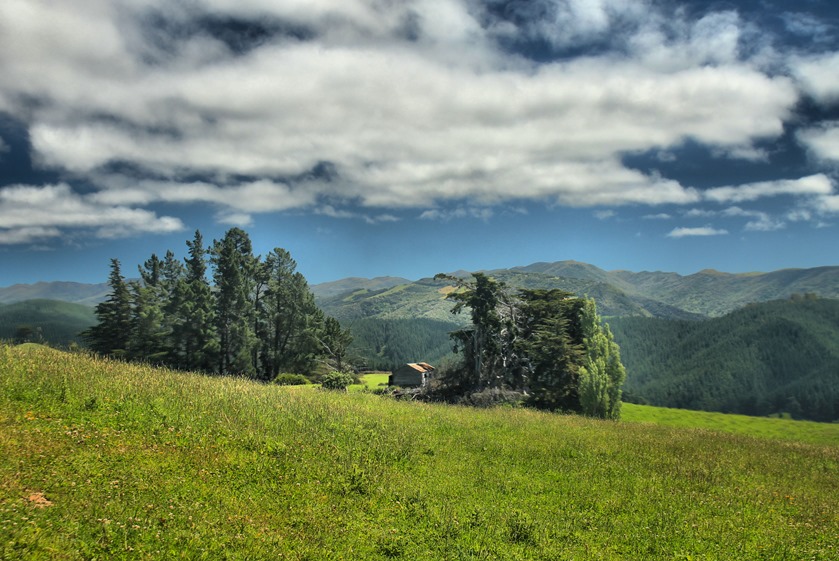
We left the Shag Rocks after spending a while there just watching the seals at play and taking in the beautiful colors, and got back on the main road heading for Dunedin. The weather stayed bright and sunny for the remainder of the trip to that fair city of the South Island, and fair it was. The route in was pretty spectacular with lovely rolling hills and countryside, almost like England.
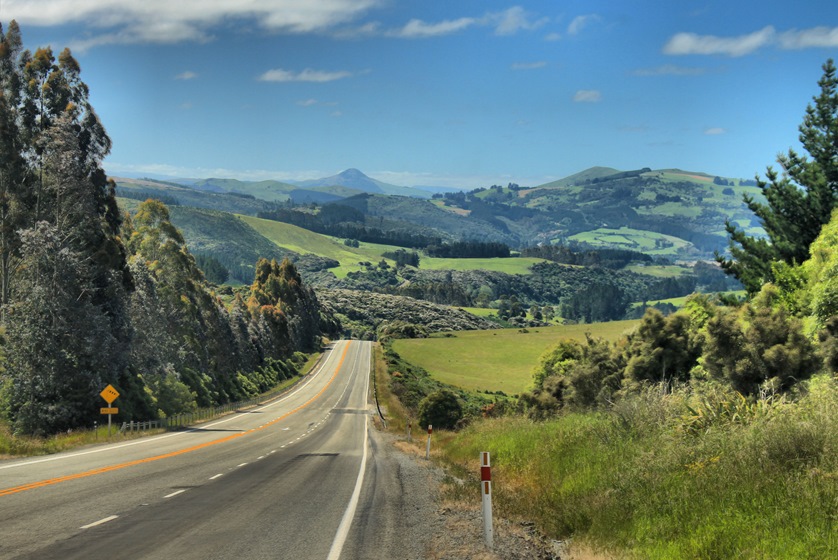
We’ve been to a number of towns and cities in New Zealand at this point. Auckland, Wellington, Napier, Gisborne, Hastings, Hamilton, Tauranga, Christchurch. I have to say that by far, and I mean, by far the most attractive city in New Zealand we have been to now is Dunedin. The whole setting is dramatic, set as it is at the end of a long sea inlet with narrows and shoals, surrounded on three sides by hills and peaks. And the buildings and town seemed to have a bit of something about it. A bit of class, a bit of style, not sure what, but it certainly had more character than any other town we’ve been to in the country. It reminded me a bit of Edinburgh, which is probably not surprising, as Dunedin is from the original Gaelic name for “Fort Edin” or as we know it Edinburgh!
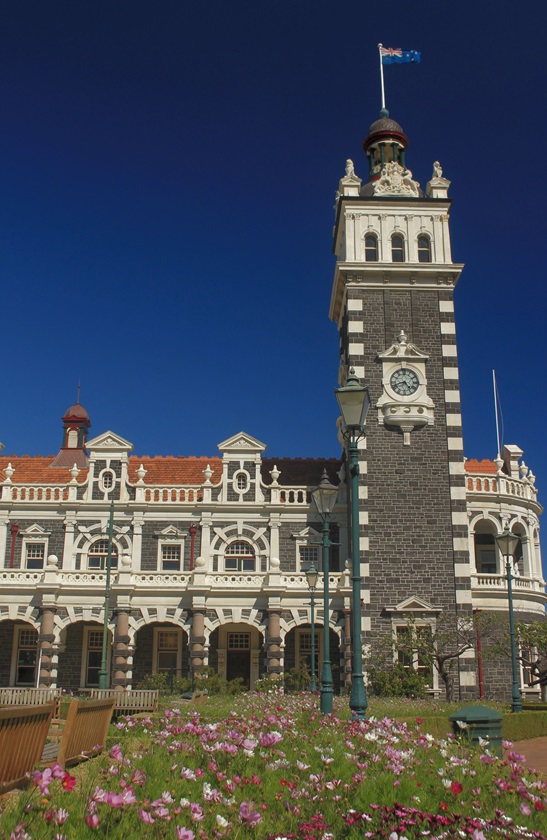
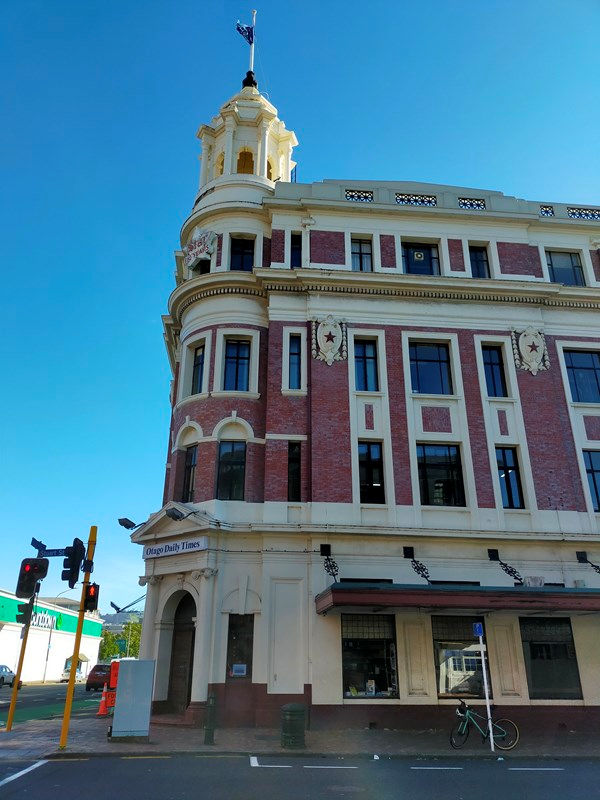


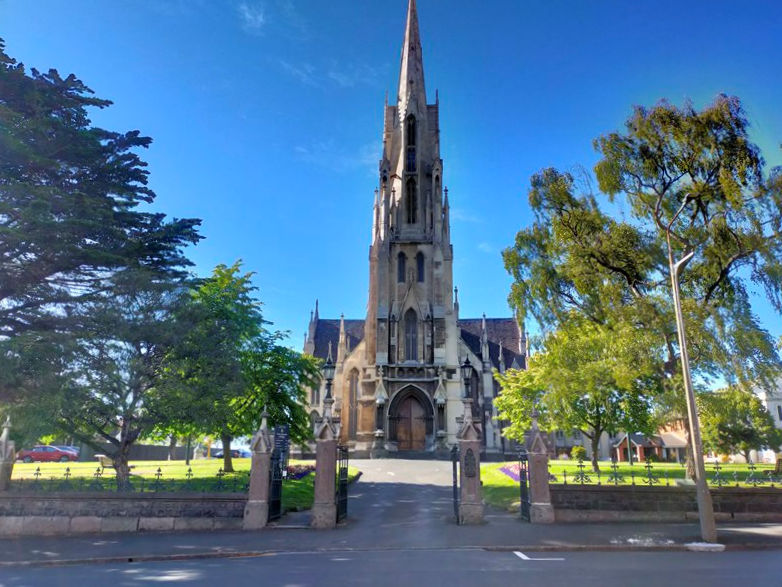
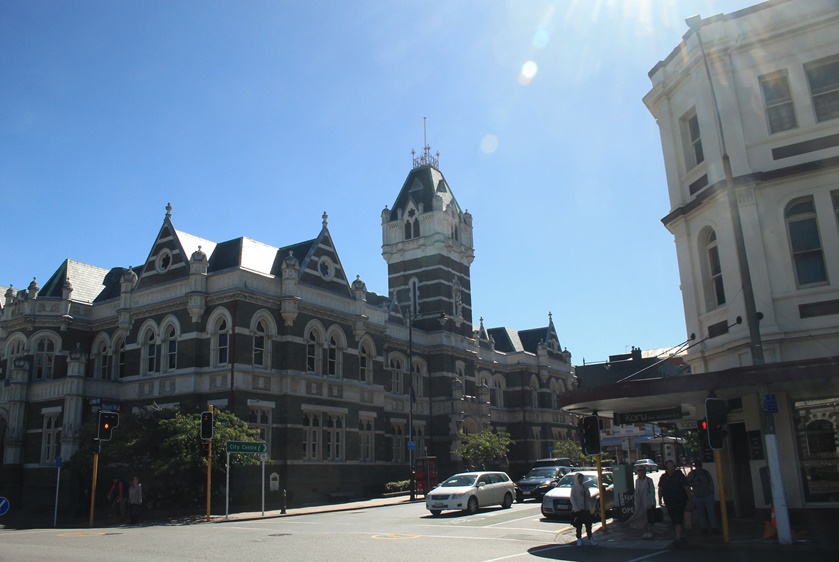
The first place we pitched up to was the railway station which was an impressive brick building, very Victorian in style and character. We’ve not seen many buildings built of brick in New Zealand, so this was refreshing to see. We then made our way through the town and out the other side of the bay along a long winding road along the inlet to our campsite for the night at Portabello Village Tourist Park. This campsite was I think by far the best campsite we stayed at during our whole 3 weeks on South Island, we can’t recommend it highly enough. Great facilities, clean and tidy and a very reasonable price.
The next day we had to get up early again, to take the the van into another garage to look at the aircon. If you ever need to buy a car or get something fixed, and you happen to find yourself in Dunedin, then go to Taylormade Motors. These guys were awesome. When we arrived they knew about the issue, and said they would keep us informed of how the investigation was going and any repairs they needed to make. Whilst we waited for their initial assessment we headed into town briefly. On arrival back at the garage, they said they were going to get an item flown down from Christchurch to fix the issue, and they could lend us a car so we would not miss our excursions. Talk about service!
So off we set for our first real excursion of our trip. A visit to the Royal Albatross Centre out on the far end of the Otago Penninsula. I’ll tell you how that went next time.
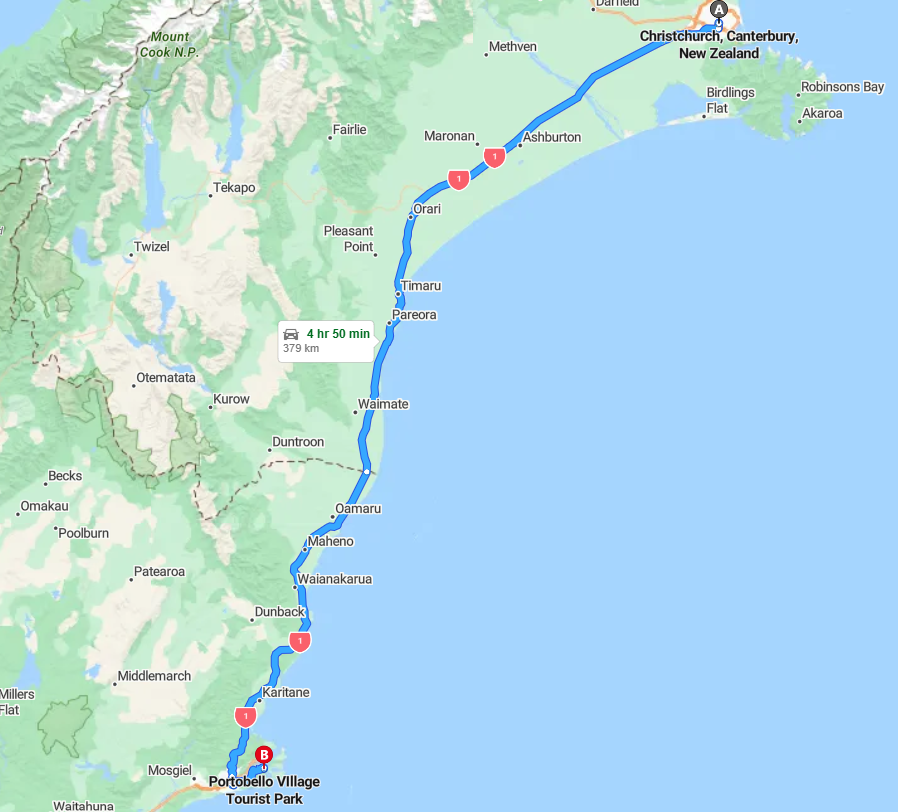
Below is a map of our route for the two days I’ve covered here.
Cheers




 Dave Mc's Blog
Leave a comment